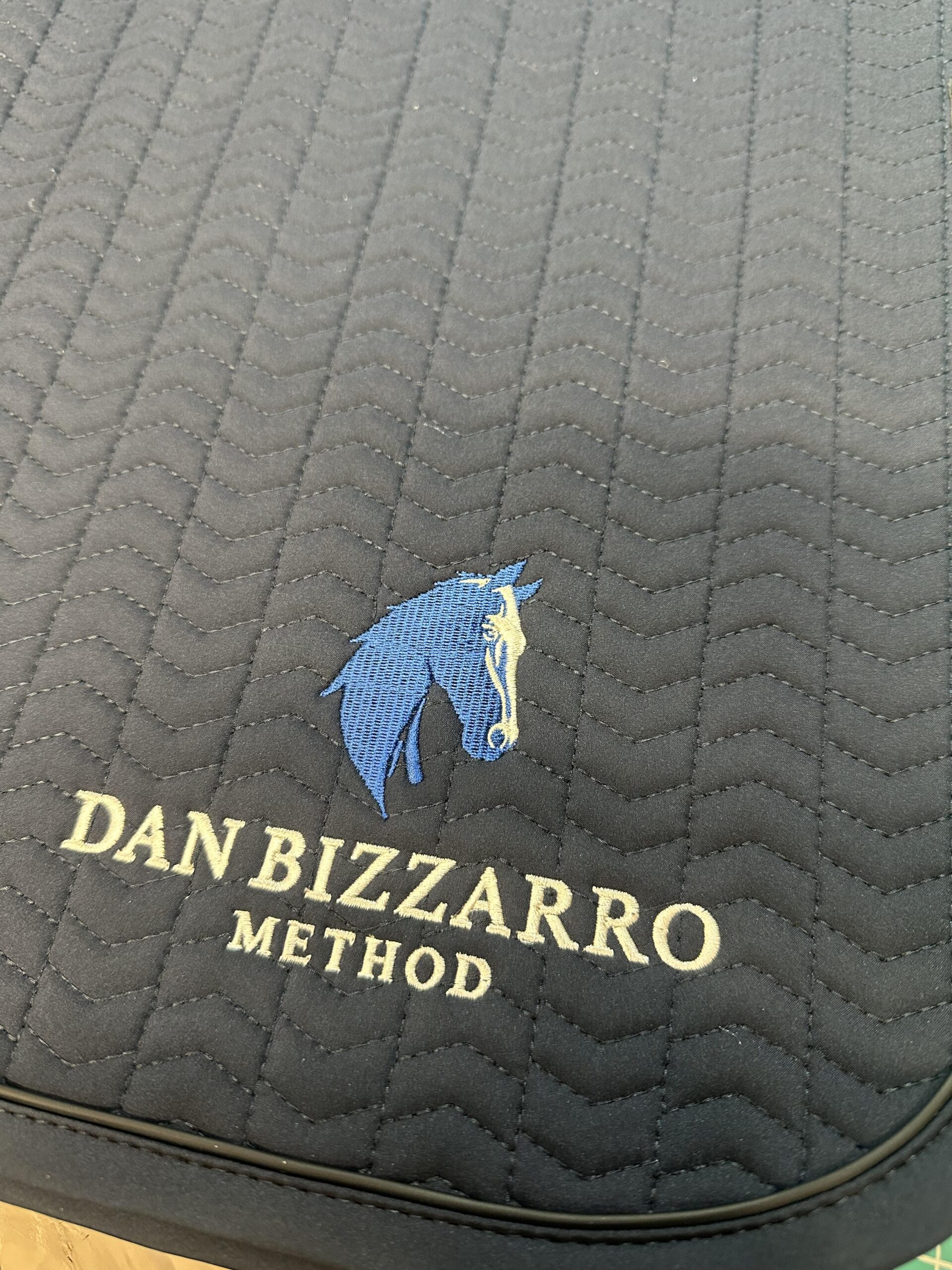
Stitch Perfect: A Beginner’s Guide to Custom Embroidery for Riding Wear, Saddle Pads & Yard Kit
Custom embroidery for riding wear, saddle pads, and yard kit feels like a puzzle when you’re just starting out. Picking the right spot, size, thread colours, and fabrics can quickly spiral into a headache. I’ve been there, which is why I’ve put together a straightforward beginners guide to embroidery that tackles all the tricky bits. Stick around and you’ll see how personalised equestrian gear can make your kit look sharp without the fuss. Ready to get stitching? [https://www.amcustomclothing.co.uk/2015/06/17/beginners-guide-to-embroidery/?srsltid=AfmBOoqV8D_Z5MAtlvsKaBAgt0HajOxnnZup4c_3GXqinD5JFzlEByNF]
Getting Started with Custom Embroidery
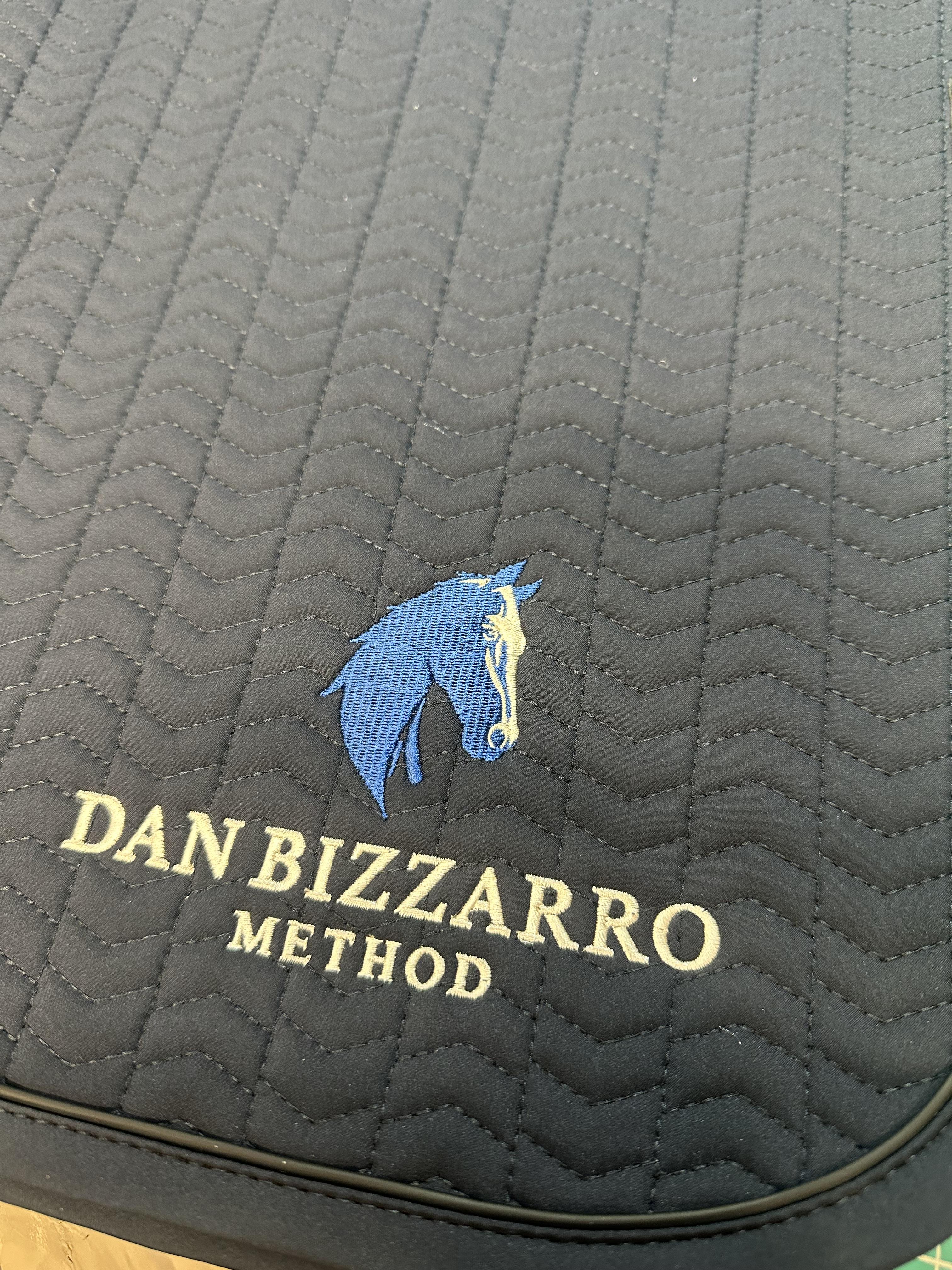
Welcome to the colourful world of custom embroidery! Whether you’re dreaming of personalised saddle pads or a beautifully embroidered jacket, your journey begins here.
Choosing the Right Gear
Ever wondered what makes gear suitable for embroidery? It’s not just about choosing what’s trendy. The right choice can make your embroidered riding wear look stunning and last longer. Start by picking items that can handle a bit of needlework. Look for durable materials that don’t stretch too much, as these will hold stitches well.
When selecting your gear, consider how often you’ll use it. Everyday items might require more robust fabrics, while special occasion pieces can be more delicate. Also, think about your personal style. Do you want something classic or a bit more unique? Making these decisions upfront will save you time and ensure your gear looks exactly how you envision. For more detailed insights, you might find this guide helpful.
Thread and Colour Choices
Choosing the right thread and colour can transform your gear into a masterpiece. Threads come in various types, such as cotton, polyester, and silk. Polyester is popular for its strength and vibrant colours, making it a favourite among equestrians. Cotton gives a more traditional look, perfect for those who prefer a classic style.
Colour choices go beyond just picking your favourite hue. Consider the contrast between your gear and the thread. A bright thread on dark fabric can pop beautifully, while a subtle tone-on-tone look can be equally elegant. Test a small swatch first to see how colours play together. This approach ensures that your personalised equestrian gear always stands out in the best way.
Placement and Sizing Tips
Deciding where to place your embroidery is crucial. Too small, and it might get lost; too large, and it can overwhelm. Start by visualising the finished look. Do you want a logo on your horse rug or a monogram on your jacket pocket?
For placement, think about visibility. Areas like the back of a jacket or the side of a saddle pad are ideal spots. Keep in mind the proportion. A small design on a large surface can look out of balance. On the flip side, a large design on a small piece might look cramped. Experiment with paper cutouts to get a sense of size and placement. With these tips, your embroidered riding wear will surely be eye-catching.
Fabric Do’s and Don’ts
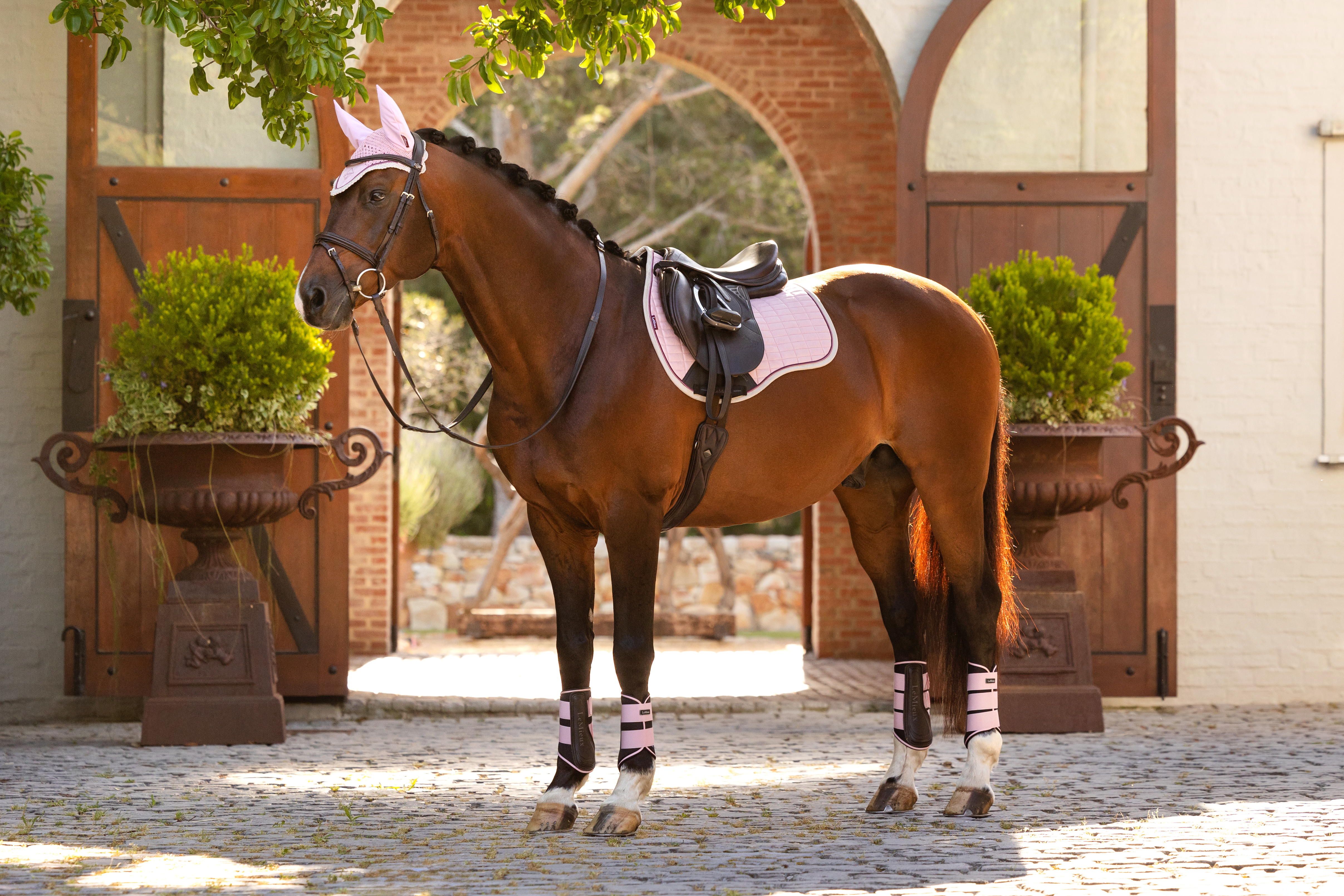
Let’s dive into fabric choices, which can make or break your embroidery success. Picking the right fabric ensures longevity and a polished finish.
Best Fabrics for Embroidery
Some fabrics are more embroidery-friendly than others. Natural options like cotton and linen offer a smooth surface for stitching. They’re strong and can hold the embroidery without puckering. Cotton is especially popular for its versatility and ease of use.
Synthetic fabrics, like polyester blends, can work, but they may require a bit more care to avoid snagging. For a truly luxurious feel, consider wool or silk. These materials add a touch of sophistication to any design. Just remember, the right fabric sets the stage for your custom equestrian embroidery UK project, making it shine.
Avoiding Common Mistakes
Embroidery comes with its own set of challenges. One common error is choosing overly stretchy fabrics, which can cause designs to warp. Sticking to stable materials helps maintain the integrity of your embroidery.
Another pitfall is not testing your fabric. Always do a small test run before committing to a full piece. This practice can save you from unexpected surprises, like colour bleeding or fabric distortion. By steering clear of these mistakes, you’ll master the art of saddle cloth embroidery with ease.
Caring for Embroidered Equestrian Gear
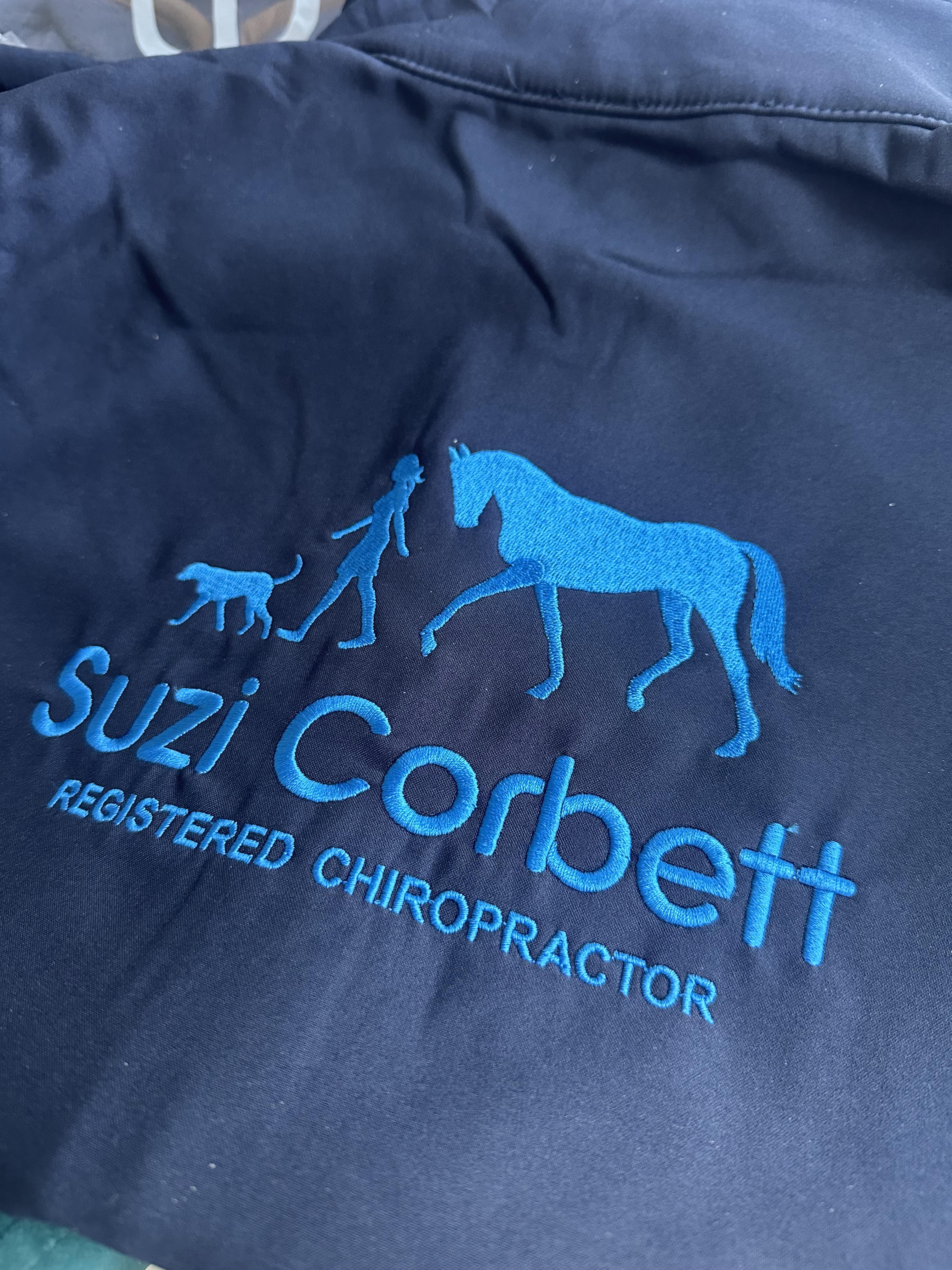
Once you’ve created your beautiful embroidered pieces, keeping them in top shape is the next step. Proper care can extend the life of your gear.
Washing and Maintenance Tips
Washing embroidered items requires a gentle touch. Hand washing is often best, using mild detergent and cold water. If you must use a machine, turn the item inside out and opt for a delicate cycle. Avoid bleach and fabric softeners, as they can damage the threads.
For drying, lay your gear flat on a towel. This method helps maintain the shape and prevents unnecessary stretching. By following these steps, your yard kit branding will remain vibrant and fresh.
Longevity and Preservation of Embroidery
Preserving your embroidery involves more than just cleaning. Storage plays a key role. Keep your embroidered gear in a cool, dry place, away from direct sunlight. Sun exposure can fade colours over time.
Consider rotating your gear if you have multiple pieces. This habit prevents overuse and gives each item a chance to recover. With these preservation tips, your UK equestrian embroidery will continue to impress for years to come.
By now, you should feel well-equipped to tackle your next embroidery project with confidence. Remember, the key to great embroidery lies in thoughtful choices and proper care. Whether you’re decking out a jacket or a saddle pad, your personalised touches can make a world of difference. Enjoy the process and happy stitching!
info@stitchedequestrian.co.uk